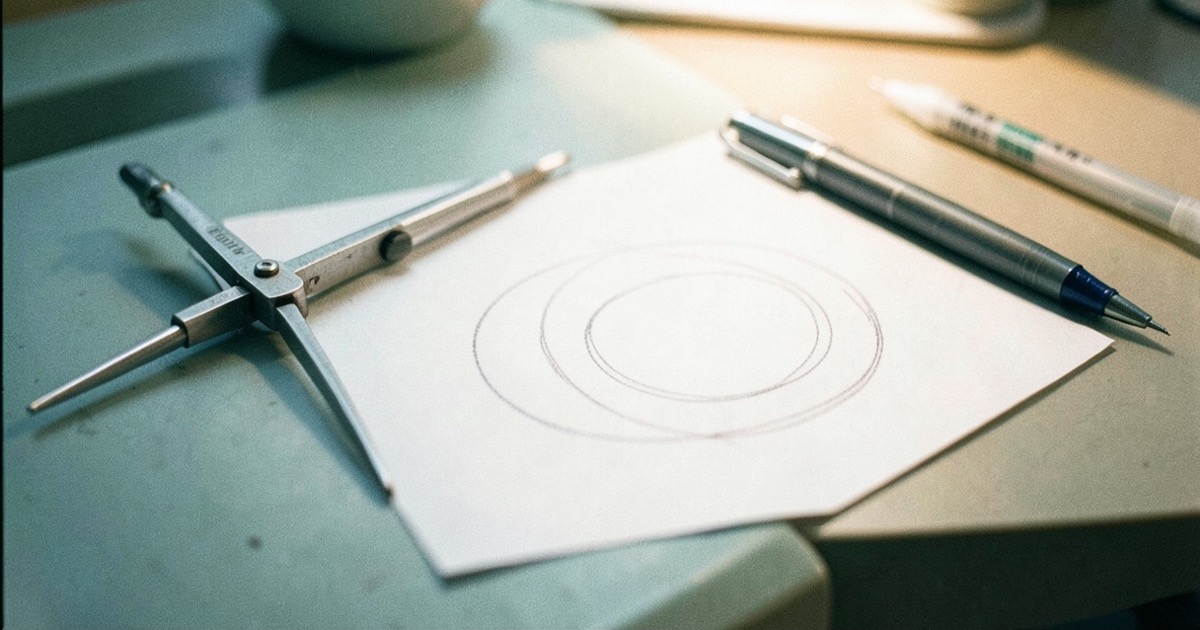
Periareolar top surgery removes chest tissue and a narrow ring of skin through a circular incision around each areola, leaving a scar only at the areola border. Periareolar top surgery suits small to moderate chests with slight skin excess and good elasticity. The trade-off is a limit on skin removal and a higher chance of a later touch-up.
Key takeaways
- periareolar top surgery leaves one circular scar around each areola and no line across the chest.
- Only a narrow ring of skin can be removed, so loose or larger chests are usually unsuitable.
- One Swedish series recorded secondary corrections after 65.5% of periareolar and 28.4% of double incision operations.
- The nipple stays attached and the areola can be made smaller.
Table of Contents
- What is periareolar top surgery?
- Who is a candidate for periareolar top surgery?
- The scar around the areola
- Limits on skin removal
- Puckering and revision risk
- Periareolar top surgery vs keyhole and double incision
- Recovery after periareolar top surgery
- Periareolar top surgery cost
- Further reading
- FAQ
- Sources
1. What Is Periareolar Top Surgery?
periareolar top surgery is a chest masculinisation technique in which the surgeon works through two circles drawn around the nipple: one inside the areola and a wider one outside it. Surgical papers also call the method the concentric circular technique.
How the operation is done
The inner circle becomes the edge of the new, smaller areola. The surgeon removes the surface skin between the two circles, takes out the breast tissue through the lower part of that ring, and then draws the outer circle in to meet the inner one. The nipple stays attached to the body throughout periareolar top surgery.
How the technique differs from its neighbours
The sibling technique, keyhole top surgery, removes no skin at all. Our overview of the different types of top surgery covers the full range.
2. Who Is a Candidate for Periareolar Top Surgery?
A candidate for periareolar top surgery usually has a small to moderate chest, only slight skin excess and skin that retracts well. A surgical algorithm published in 2008 names skin excess and skin elasticity as the key factors in choosing a technique.
The areola as a deciding factor
Periareolar top surgery is often considered when the chest is small enough for a keyhole approach but the areola is too wide or the skin slightly too loose. A nipple that sits well below the ideal position usually rules the method out, because the nipple can be shifted only slightly.
Candidate checklist for periareolar top surgery
- Small to moderate chest volume
- Mild skin excess, with no deep fold under the breast
- Nipple close to the position you want
- Acceptance that a second, smaller procedure may be needed
3. The Periareolar Top Surgery Scar Around the Areola
periareolar top surgery leaves a single circular scar on each side, placed where the areola meets the chest skin.
Why this scar can widen
The closure joins a larger circle of skin to a smaller one, so the scar sits under tension. The authors of a 2021 Swedish hospital series attribute some revisions after periareolar top surgery to widened scars and to the areola enlarging over time because of that tension.
4. Limits on Skin Removal in Periareolar Top Surgery
periareolar top surgery can remove only the ring of skin between the two circles, which is far less than a double incision removes. In the Swedish series, the outer circle was drawn roughly two centimetres outside the inner one.
What happens if the limit is pushed
Asking the ring to take up more skin raises tension on the closure. In the 2008 Belgian series, the extended version of the concentric technique received the lowest overall ratings from patients and surgeons, while the standard version was rated among the highest.
5. Puckering and Revision Risk After Periareolar Top Surgery
periareolar top surgery carries a higher reported chance of a later corrective procedure than double incision in some published series, though not in all, and figures vary widely between hospitals.
What the published figures show
In a retrospective Swedish series of 464 patients published in 2021, secondary corrections were recorded after 65.5% of periareolar operations and 28.4% of double incision operations. Reoperation within 30 days was 12.4% against 3.3%. The authors note that the technique was used more in the early years and that a learning curve may explain part of the gap.
Puckering
Gathering the outer circle onto the smaller areola can leave fine pleats in the skin around the scar. Some gathering may relax during healing; pleats, a stretched areola or leftover fullness that persist are typical reasons for a touch-up. Ask how often the surgeon's own periareolar top surgery patients return, and who pays.
6. Periareolar Top Surgery vs Keyhole and Double Incision
periareolar top surgery sits between the other two techniques: more skin removal than keyhole, far less than double incision.
| Feature | Keyhole | Periareolar top surgery | Double incision |
|---|---|---|---|
| Chest it suits | Small, elastic skin | Small to moderate, slight skin excess | Medium to large, or loose skin |
| Skin removed | None | A narrow ring | Substantial |
| Scar | Half-circle at the lower areola edge | Full circle around the areola | Horizontal line under each pectoral |
| Nipple and areola | Attached, size unchanged | Attached, areola reduced | Usually free grafts, resized and repositioned |
If your surgeon advises against the periareolar route, our double incision top surgery guide explains the alternative.
7. Recovery After Periareolar Top Surgery
Recovery after periareolar top surgery follows the usual top surgery pattern: dressings, a compression garment, sometimes a thin drain, and several weeks of healing as swelling settles.
Periareolar top surgery recovery at a glance
- Days 1–7: rest, compression, short walks, first check-up
- Weeks 2–4: desk work for many people, no lifting
- Weeks 6–8: gradual return to the gym once your surgeon agrees
These timings are typical guidance; your surgeon's instructions take priority.
8. Periareolar Top Surgery Cost and Where to Have It
periareolar top surgery is usually quoted in the same range as other top surgery: indicatively £7,500–£12,000+ privately in the UK, $8,000–$15,000+ in the USA, €6,000–€10,000 in Western Europe and €3,000–€5,500 for an all-inclusive Istanbul package with a 7–10 day stay.
Factor a possible revision into the decision
Ask every provider for the revision policy in writing. If you have NHS funding, insurance or a trusted local surgeon, staying near home makes a second visit simpler; our Top Surgery UK guide covers that route.
How Neda Agency fits in
Neda Agency is a patient coordinator, not a clinic. Board-certified plastic surgeons operate in accredited Istanbul hospitals and decide whether periareolar top surgery is suitable. Read more on our About Us and female to male surgeries pages.
Further Reading
More guides to read alongside this periareolar top surgery page, from our blog:
- Which Top Surgery Procedure Is For You?
- FTM Top Surgery: The Complete Guide to Techniques, Recovery and Cost
- The Ultimate Guide to Choosing the Best Surgeon in Turkey
- Top Surgery Abroad Cost: How Much Does FTM & MTF Surgery Cost in Turkey?
Frequently Asked Questions
Who is a good candidate for periareolar top surgery?
A good candidate for periareolar top surgery has a small to moderate chest, only slight skin excess, firm elastic skin and nipples close to the desired position. The technique removes a narrow ring of skin around the areola, so larger chests or loose skin usually need double incision surgery instead.
What does the periareolar top surgery scar look like?
Periareolar top surgery leaves one circular scar around each areola, at the border between darker areola skin and chest skin. There is no horizontal scar across the chest. Because the closure is under tension, the scar can widen or the areola can stretch over time in some patients.
How much skin can periareolar top surgery remove?
Periareolar top surgery removes only the ring of skin between an inner circle at the areola and a wider outer circle. That amount is small compared with double incision surgery. Trying to remove more skin than the ring allows increases tension, scar widening and the chance of a revision.
Is revision common after periareolar top surgery?
Revision is reported more often after periareolar top surgery than after double incision in some studies, though not all. One Swedish hospital series of 464 patients recorded secondary corrections after 65.5% of periareolar operations and 28.4% of double incision operations. Rates differ between surgeons, so ask for your surgeon's own figures.
What is the difference between periareolar and keyhole top surgery?
Keyhole surgery uses a half-circle incision at the lower edge of the areola and removes no skin. Periareolar top surgery uses a full circle around the areola, removes a narrow ring of skin and can make the areola smaller. Periareolar therefore suits slightly larger chests or wider areolas.
Sources
- Improved Surgical Outcome with Double Incision and Free Nipple Graft in Gender Confirmation Mastectomy. Plastic and Reconstructive Surgery Global Open, 2021
- Chest-wall contouring surgery: a new algorithm. Plastic and Reconstructive Surgery, 2008
- American Society of Plastic Surgeons: chest masculinization surgery, procedure steps
- American Society of Plastic Surgeons: chest masculinization surgery, recovery
Medical note
This article gives general information and is not a substitute for a personal consultation with a qualified surgeon. Prices are indicative and change with exchange rates and individual needs.
Ask Whether Periareolar Top Surgery Suits You
Send Neda Agency clear front and side photos, and a board-certified surgeon will say whether periareolar top surgery is realistic for your chest, with the full cost and revision policy in writing. Contact us to start.
Sources and further reading
- WPATH Standards of Care, Version 8: international clinical guidance for gender-affirming care.
- NHS: Gender dysphoria and incongruence: how assessment and treatment work in the UK.
- Chest masculinization technique and outcomes in 72 double-incision procedures (Plastic and Reconstructive Surgery Global Open, 2021).
- Patient-reported outcomes following chest masculinization surgery in transmasculine individuals (JPRAS Open, 2026).
- NHS: Having surgery abroad: what to check before you travel for treatment.
- HealthTürkiye: the official health tourism portal of the Republic of Türkiye Ministry of Health.