How long should I protect top surgery scars from the sun?
The NHS advises keeping a scar covered in the sun for at least one year, or using sunscreen with SPF 30 or more. In practice, that means wearing clothing or a dressing over the chest outdoors, or applying sunscreen to the scar, especially through the first shirtless summer after top surgery.
How often should I massage my top surgery scars?
The NHS advises massaging a scar with a water-based cream a few times a day for up to 10 minutes each time, but only once the wound has fully healed. Ask your surgeon when to start, particularly near nipple grafts. Massage helps soften the scar and can be used alongside silicone gel or sheets.
top surgery scars are permanent, but most fade from red and raised to pale and flat. The pattern depends on the technique: two horizontal lines after double incision, a ring around the areola after periareolar or keyhole surgery. NHS guidance says fading can take up to 2 years or more, and silicone, massage and sun protection help.
Key takeaways
- The NHS says a scar cannot be removed, but most scars fade over time, which can take up to 2 years or more.
- Silicone gels or sheets, massage once the wound has fully healed, and sun protection are the standard care for top surgery scars.
- The NHS advises keeping a scar covered in the sun for at least 1 year, or using SPF 30 or more.
- A hypertrophic scar stays within the wound; a keloid grows bigger than the original wound.
Table of Contents
- Top surgery scars by technique
- Healing stages of top surgery scars
- Silicone for top surgery scars
- Massage and tape for top surgery scars
- Sun protection for top surgery scars
- Hypertrophic and keloid top surgery scars
- Laser and revision of top surgery scars
- Caring for top surgery scars after surgery abroad
1. Top Surgery Scars by Technique
top surgery scars follow the incisions your surgeon needs, so the technique chosen for your chest size and skin decides where the lines sit.
| Technique | Usual scar pattern | Worth knowing |
|---|---|---|
| Double incision | One horizontal line on each side of the chest, plus a ring around each grafted nipple | The longest top surgery scars; surgeons aim for as straight a line as possible |
| Periareolar | A circle around each areola | Can widen under tension over time |
| Keyhole | A short curve at the edge of the areola | Suits small chests with elastic skin |
| Liposuction (as an addition) | Marks of around 5 mm, often at the side | For contouring |
Double incision
Double incision is the most widely used technique. An NHS gender service leaflet describes the wound as closed "with the aim of leaving as straight a scar as possible", with the nipple re-attached as a free graft. Our double incision top surgery guide explains the operation; people who choose top surgery without nipples have the two lines only.
Periareolar and keyhole
Smaller chests can be treated through the areola, which the NHS leaflet says "can result in only a small scar around the areola". A Swedish hospital study noted widened periareolar scars as one reason for later corrections. See the periareolar top surgery and keyhole top surgery articles.
2. Healing Stages of Top Surgery Scars
top surgery scars pass through closure, a red and firm phase, and a long fading phase that NHS sources put at 18 to 24 months or longer.
Top surgery scars at a glance
- First weeks: wounds close; follow your surgeon's dressing instructions only
- First months: scars are often red or dark and firm
- Around a year: colour and thickness are usually settling
- 18 to 24 months: scar maturity, according to an NHS hospital leaflet
Why patience matters
Top surgery scars can look more noticeable in the first months than in the first weeks, because a young scar often thickens before it softens. See our top surgery recovery guide for general healing and top surgery results for the chest as a whole.
3. Silicone for Top Surgery Scars
Silicone gel or sheeting is the scar treatment the NHS lists first, and the treatment most surgeons recommend for top surgery scars once the wounds are fully closed.
How silicone is used
An NHS hospital leaflet on scar management advises using silicone gel only after the wound has fully healed and continuing for a minimum of two months to see improvement. The same leaflet says adhesive silicone sheets are worn for 12 to 23 hours a day and removed for showering. Sheets suit the straight top surgery scars of double incision; gel is easier around the areola.
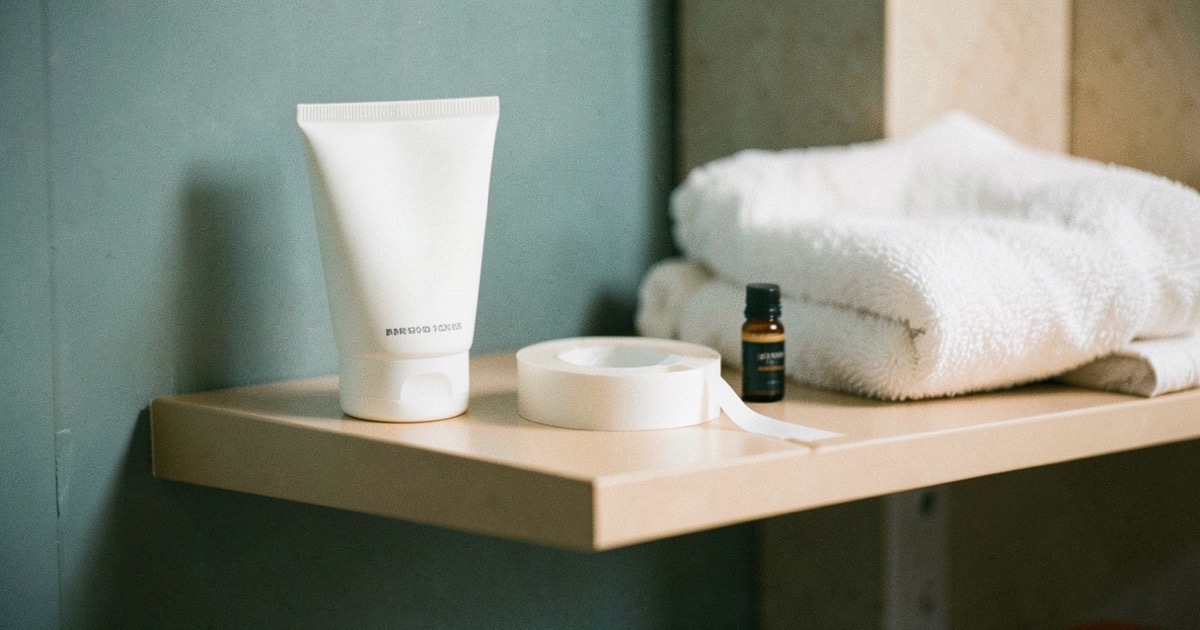
4. Massage and Tape for Top Surgery Scars
Massage helps soften top surgery scars once the wound has fully healed; tape is a surgeon-specific choice with less formal guidance behind it.
Massage
The NHS advises massaging a scar with a water-based cream a few times a day for up to 10 minutes each time, and only if the wound is fully healed. Ask your surgeon when to start, particularly near nipple grafts.
Tape
Some surgeons ask patients to wear paper or silicone tape along top surgery scars in the early months to support the line. Practice varies, so follow the written instructions from your own surgical team.
5. Sun Protection for Top Surgery Scars
Sun protection matters for top surgery scars because the NHS advises keeping a scar covered in the sun for at least 1 year.
What that means in practice
Wear clothing or a dressing over the chest outdoors, or use sunscreen with a sun protection factor of 30 or more on the scar, as the NHS recommends. Young top surgery scars need this cover through the first shirtless summer.
6. Hypertrophic and Keloid Top Surgery Scars
Raised top surgery scars are either hypertrophic, staying within the line of the wound, or keloid, growing beyond that line.
Telling the two apart
The NHS describes a hypertrophic scar as usually raised and firm, not growing bigger than the original wound, and a keloid as raised, hard and smooth, growing bigger than the wound. Tell your surgeon before the operation if you or close relatives have formed keloids.
Treatment
NHS-listed treatments include silicone dressings or gels, steroid injections or cream, cryotherapy and laser therapy. In a US cohort of 615 patients followed for over a year, 28 received steroid injections for hypertrophic top surgery scars.
7. Laser and Revision of Top Surgery Scars
Laser or surgical revision is usually considered only after top surgery scars have matured and simpler measures have been tried.
Laser
The NHS lists laser therapy among scar treatments. Whether laser suits your top surgery scars, and when, is a decision for a dermatologist or plastic surgeon who has examined your skin.
Surgical scar revision
In the same US cohort, 62 of 615 patients had a scar revision, and most surgeons waited at least one year before any major revision. Revised top surgery scars start the healing stages again.
8. Caring for Top Surgery Scars After Surgery Abroad
Caring for top surgery scars after surgery abroad works the same way as at home, provided you leave with written instructions and a way to send photographs.
Before you fly home
Most of the fading happens months after a 7–10 day stay in Istanbul, so looking after top surgery scars is home care. If you would rather have the scars checked in person through the first year, a local surgeon may suit you better. Neda Agency is a coordinator, not a clinic; the About Us page explains how follow-up is arranged.
Checklist: care plan for top surgery scars
- Written dates for starting silicone, massage and exercise
- Which silicone product the surgeon prefers
- How and when to send follow-up photographs
- Who to contact if a scar becomes hot, painful or opens
- The clinic's written policy on scar revision
Further Reading
Guides related to top surgery scars on our blog and the female to male surgeries page:
- Double Incision Top Surgery: Technique, Recovery, Cost and Choosing Where to Go
- Which Top Surgery Procedure Is For You?
- Top Surgery Without Nipples
- Factors Affecting Top Surgery
Frequently Asked Questions
How long do top surgery scars take to fade?
Top surgery scars usually fade gradually over one to two years. The NHS says most scars fade over time and that this can take up to 2 years or more, and one NHS hospital leaflet puts scar maturity at 18 to 24 months.
Do top surgery scars ever disappear completely?
No. The NHS states that a scar cannot be removed, although most scars fade over time. Mature top surgery scars are typically paler, flatter and softer than in the first months, and skin camouflage products can cover them.
When can I start silicone on top surgery scars?
Start silicone on top surgery scars only when the wounds have fully healed and your surgeon agrees. An NHS hospital leaflet advises continuing silicone gel for at least two months, and wearing silicone sheets for 12 to 23 hours a day.
Which technique leaves the smallest top surgery scars?
Keyhole and periareolar techniques leave the smallest top surgery scars, limited to the edge of the areola, but they only suit small chests with elastic skin. Double incision leaves longer lines and is the usual choice for medium and large chests.
What is the difference between a hypertrophic scar and a keloid?
According to the NHS, a hypertrophic scar is usually raised and firm and does not grow bigger than the original wound, while a keloid is raised, hard and smooth and grows bigger than the wound.
Sources
- NHS: Scars
- South Tees Hospitals NHS Foundation Trust: Scar management
- NHS Gender Dysphoria National Referral Support Service: Top Surgery leaflet
- Rothenberg et al., Annals of Plastic Surgery, 2021
- Kamali et al., Plastic and Reconstructive Surgery Global Open, 2021
Medical note
This article is general information and is not a substitute for a personal consultation with a qualified surgeon or dermatologist. Scarring varies between individuals; any prices are indicative.
Ask About Scars Before You Book
To learn which technique your chest allows and what top surgery scars to expect, send us your questions. Neda Agency will pass them to a board-certified plastic surgeon and explain the aftercare plan and full cost. Contact us to start.
Sources and further reading
- WPATH Standards of Care, Version 8: international clinical guidance for gender-affirming care.
- NHS: Gender dysphoria and incongruence: how assessment and treatment work in the UK.
- Chest masculinization technique and outcomes in 72 double-incision procedures (Plastic and Reconstructive Surgery Global Open, 2021).
- Patient-reported outcomes following chest masculinization surgery in transmasculine individuals (JPRAS Open, 2026).
- NHS: Having surgery abroad: what to check before you travel for treatment.
- HealthTürkiye: the official health tourism portal of the Republic of Türkiye Ministry of Health.